

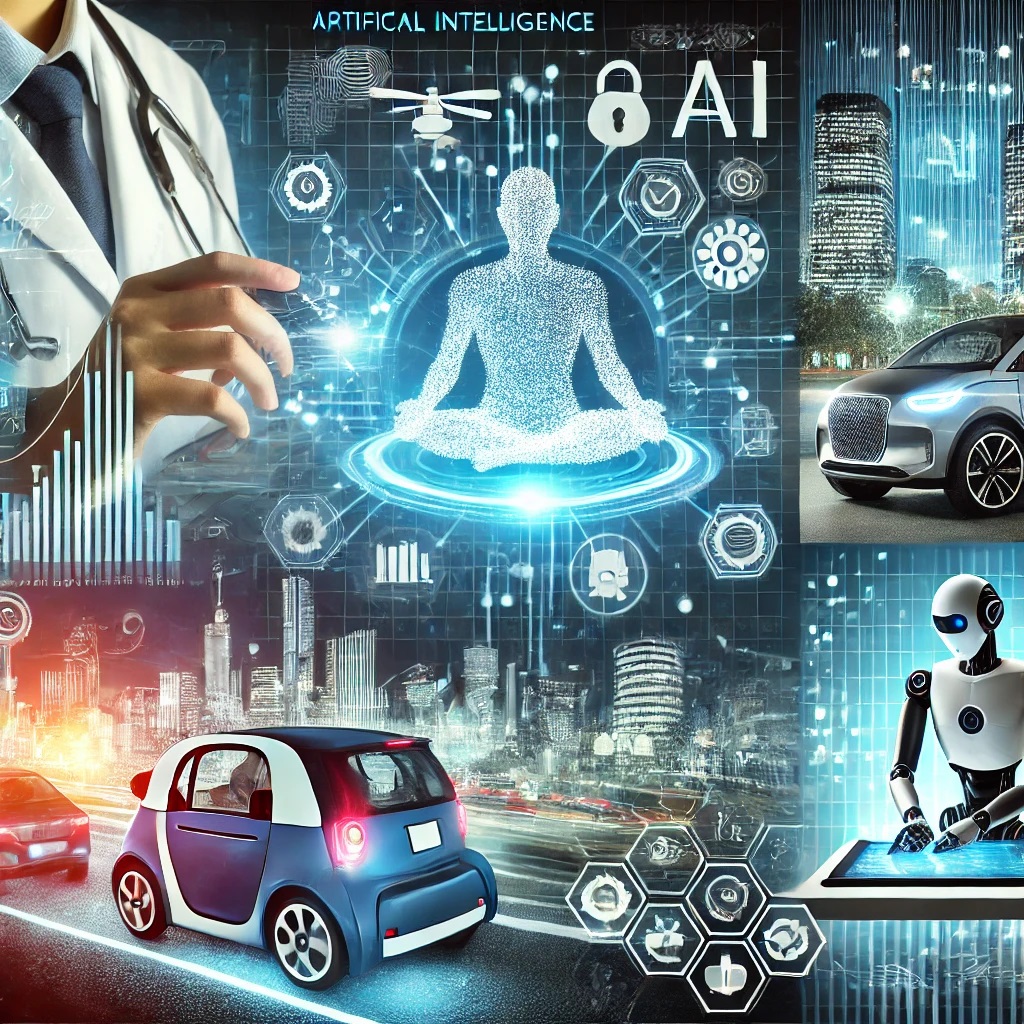
Introduction: Understanding AI in Our Everyday Lives
Artificial Intelligence (AI) has become more than just a buzzword — it’s a transformative force shaping the future of industries and everyday life. From voice assistants like Siri and Alexa to self-driving cars and personalized Netflix recommendations, AI is subtly (and sometimes boldly) weaving itself into the fabric of our daily experiences.
But what exactly is the scope of AI? What are the pros and cons of this technology? Let’s break it down in a way that’s easy to grasp, highlighting real-world examples and cutting through the hype.
What is Artificial Intelligence?
Artificial intelligence refers to the development of computer systems that can perform tasks that typically require human intelligence, such as:
– Learning
– Problem-solving
– Reasoning
– Perception
– Language understanding
AI systems use algorithms and data to make decisions, classify objects, and generate insights. These systems can be categorized into two main types:
– Narrow or Weak AI: Designed to perform a specific task, such as facial recognition or language translation.
– General or Strong AI: Aims to perform any intellectual task that a human can, such as reasoning, problem-solving, and learning.
The Expanding Scope of AI: Where Is It Headed?
AI’s scope is vast, and its potential seems almost limitless. Let’s explore some key areas where AI is making an impact:
- Healthcare
- Diagnosis and Treatment: AI-powered tools like IBM Watson help doctors analyze complex medical data, enabling quicker and more accurate diagnoses.
- Drug Discovery: Companies like BenevolentAI use AI algorithms to identify new drug candidates, significantly accelerating research processes.
- Finance
- Fraud Detection: AI algorithms monitor transactions in real-time, spotting suspicious activities faster than traditional systems.
- Algorithmic Trading: AI models predict market trends and execute trades at lightning speeds.
- Education
- Personalized Learning: AI platforms like Duolingo adapt lessons based on users’ strengths and weaknesses.
- Grading and Feedback: AI tools assist teachers by automating tasks like grading assignments.
- Transportation
- Autonomous Vehicles: Companies like Tesla and Waymo are pushing the boundaries of self-driving car technology.
- Traffic Management: AI helps cities optimize traffic flow and reduce congestion.
- Entertainment and Media
- Content Recommendation: AI powers algorithms used by Netflix, Spotify, and YouTube to personalize content suggestions.
- Content Creation: AI tools like ChatGPT and DALL-E assist in writing, art, and design.
The scope of AI also extends to areas like agriculture (smart farming), cybersecurity, manufacturing (robotic automation), and customer service (chatbots).
The Pros of AI: How It Benefits Us
Let’s dive into the bright side of AI — how it enhances our lives and boosts business efficiency:
- Automation of Repetitive Tasks AI excels at handling mundane, repetitive jobs. For example, chatbots answer basic customer inquiries 24/7, freeing human agents to tackle more complex issues.
- Enhanced Decision-Making AI processes massive amounts of data quickly, offering insights that help leaders make data-driven decisions. In healthcare, AI-powered tools suggest optimal treatment plans based on patient data.
- Increased Efficiency and Productivity AI-driven automation streamlines operations in industries like manufacturing, where robots work alongside humans, boosting output and reducing errors.
- Personalization AI algorithms deliver hyper-personalized experiences, such as tailored shopping suggestions on Amazon or curated playlists on Spotify, increasing user satisfaction.
- Improved Safety AI enhances security systems by detecting fraudulent activities in banking or predicting and preventing cyberattacks.
- Innovation and Creativity Contrary to the belief that AI stifles creativity, it can actually inspire new forms of art and design. AI-generated art, music compositions, and creative writing push the boundaries of human imagination.
The Cons of AI: A Balanced Look at the Downsides
Despite its promise, AI has its drawbacks and raises valid concerns:
- Job Displacement Automation threatens to replace jobs in sectors like manufacturing, retail, and customer service. While AI creates new roles, reskilling the workforce remains a challenge.
- Bias and Discrimination AI systems can inherit biases from the data they are trained on. For example, biased hiring algorithms have been criticized for perpetuating gender and racial inequalities.
- Lack of Transparency AI’s decision-making processes often lack transparency (the “black box” problem), making it hard to understand how specific decisions are reached, which can be risky in critical fields like law enforcement.
- Data Privacy Concerns AI systems rely on vast amounts of data, raising concerns about data breaches and the ethical use of personal information.
- Over-Reliance on AI Relying too heavily on AI for critical tasks — like medical diagnoses or autonomous driving — can backfire if the technology fails or is hacked.
- High Implementation Costs Developing and deploying AI solutions can be expensive, often placing them out of reach for smaller businesses.
Real-World Example: AI in Action
Case Study: AI in Healthcare
Consider Google’s DeepMind, which developed an AI system capable of detecting over 50 eye diseases from retinal scans with 94% accuracy — comparable to expert ophthalmologists. While this breakthrough promises better patient outcomes, it also raises questions about how AI decisions are validated and how patient data is safeguarded.
Conclusion: Striking a Balance with AI
AI’s scope is undeniably vast, and its impact — both positive and negative — is real. The key lies in harnessing AI’s power responsibly. Policymakers, businesses, and technologists must work together to develop ethical AI practices, ensuring innovation benefits society while minimizing harm.
As AI continues to evolve, so must our understanding and regulation of it. The goal isn’t to fear AI but to strike a balance — embracing its advantages while staying vigilant about its risks.
FAQs
1. What is the scope of AI in the future?
AI’s future scope includes advancements in healthcare, finance, transportation, education, and entertainment. Expect more personalized services, smarter automation, and AI-driven innovations.
2. What are the main benefits of AI?
The key benefits of AI are automation, data-driven decision-making, increased productivity, personalization, improved safety, and innovation.
3. What are the disadvantages of AI?
AI’s drawbacks include job displacement, bias, lack of transparency, data privacy concerns, over-reliance on technology, and high costs of implementation.
4. Can AI completely replace humans?
No, AI complements human skills but cannot replicate human creativity, empathy, and critical thinking. Collaboration between humans and AI yields the best results.
5. How can AI be used ethically?
Ethical AI use involves transparency, accountability, unbiased algorithms, and stringent data privacy measures to ensure technology benefits all.
Discover more from Online Guruji
Subscribe to get the latest posts sent to your email.
Looking for something a bit tamer? pg13game is surprisingly fun. It has a good mix of casual and slightly more challenging games to keep you entertained. Perfect for killing some time. Give pg13 a go!
Alright, looking for some fast slots for hours of fun? The slot games are a blast on bk88slot!! Lots of bonuses, and cool events to join! If you haven’t already tried it, click here: bk88slot